
What if my safety switch will not reset?
A fault may remain on the circuit. Do not keep forcing it or attempt wiring repairs; ask a licensed electrician to inspect and diagnose the problem.
A fault to assess or a fitting to change?
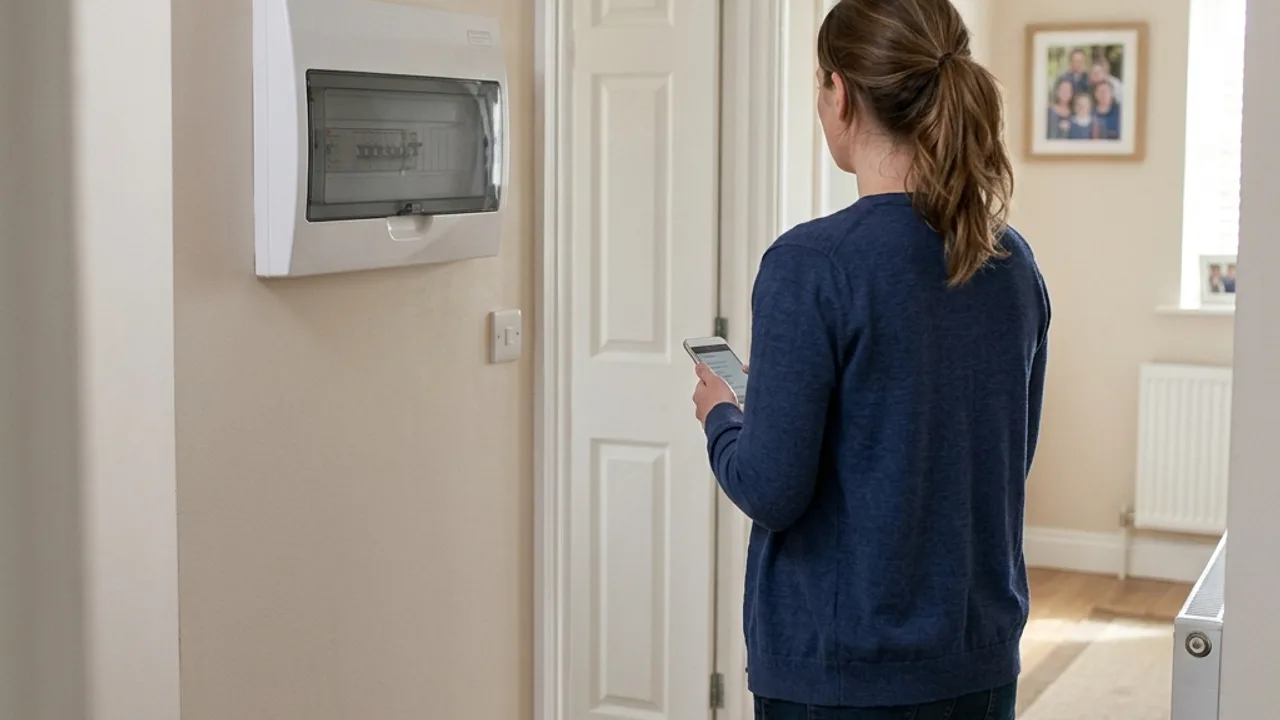
Repeated tripping, partial power loss or a warm outlet are symptoms, not a diagnosis. The safest first step is to describe what happened without testing live wiring.
What electrical work do you need?
Call now07 4358 3066Repeated trips, partial power loss and an unreliable power point (a fixed electrical outlet) can have different causes. A safety switch (an electrical device that cuts power during certain faults) may trip because a problem remains on its circuit. The purpose of fault finding is to identify the affected equipment or circuit and determine the next step; a symptom alone cannot establish which part needs replacement.
Whether it affects one fitting, one room or more of the property; whether it is constant or intermittent; and whether it followed an appliance change or water exposure. Include what you have already noticed without carrying out tests or opening equipment.
Ask how the initial investigation is charged, what it includes and how further repair work will be agreed if a cause is found. Investigation and a completed repair are different scopes, so confirm the next step before authorising additional work.
Do not keep resetting a device that trips again. Avoid the affected equipment and have a licensed electrician determine the cause. For a non-urgent enquiry, describe the fault through the contact form.
A room without power, a light that has stopped working and equipment that repeatedly cuts out can look similar from the hallway. They do not establish the same cause. A fault-finding visit concerns investigation and assessment before a repair is chosen. Explain the result you are seeing rather than choosing a replacement switch or assuming that the whole board must be upgraded. That keeps the original problem clear when additional work is discussed.
For a non-urgent problem, useful observations include the affected room, whether lights or outlets are involved, when the problem began and which equipment was being used at the time. A fault that appears only when one existing appliance is used needs a different account from a whole room that stays without power. State whether the behaviour is intermittent or continuous. These are observations, not permission to reproduce the fault or keep resetting protection to gather evidence.
Think about recent changes you already know about, such as a newly delivered appliance, a replaced fitting or work elsewhere in the building. Tell the electrician which changes preceded the problem and which came afterwards. Avoid presenting a timing coincidence as proof of a cause. If you have an earlier report or quote, keep it available so the contractor can distinguish a previously identified defect from a new symptom that still needs assessment.
Ask what the initial assessment includes, how findings will be explained and what happens if further investigation is needed. A visit to identify a fault is not automatically agreement to replace every fitting mentioned in the discussion. When a repair is proposed, ask which finding supports it, which equipment or circuit is involved and whether the quote covers the complete installed result. Request clarification if an optional improvement is presented alongside the work needed to address the original symptom.
Access also matters to arranging the work. Explain whether a property manager, owner or building representative must approve the visit, and identify any rooms that cannot normally be entered. Ask the contractor about planned power interruptions and any preparation required from occupants. Do not remove covers, handle fixed wiring or attempt an internal inspection yourself. The Electrical Safety Office explains which work belongs with a licensed electrician.
At the end of the agreed work, ask what was found, what was repaired and whether anything remains unresolved. Keep the explanation with the invoice and any supplied testing or compliance documents. If the same symptom recurs, those records give the next assessment a starting point. For immediate danger, the emergency guidance takes priority; this page concerns a fault investigation that can be discussed and arranged safely.
Capalaba context
Before booking fault finding at a Capalaba address, check whether the problem stops at your boundary. Energex lists known outages on its online Outage Finder, and takes reports of unlisted ones on 13 62 62. Fault finding is for a problem inside your own installation, such as one circuit that keeps tripping while the neighbours have power.