
Adding protection
Ask which existing circuits are protected and which are not. The electrician can assess the board and explain the work needed to extend protection.
A fault to assess or a fitting to change?
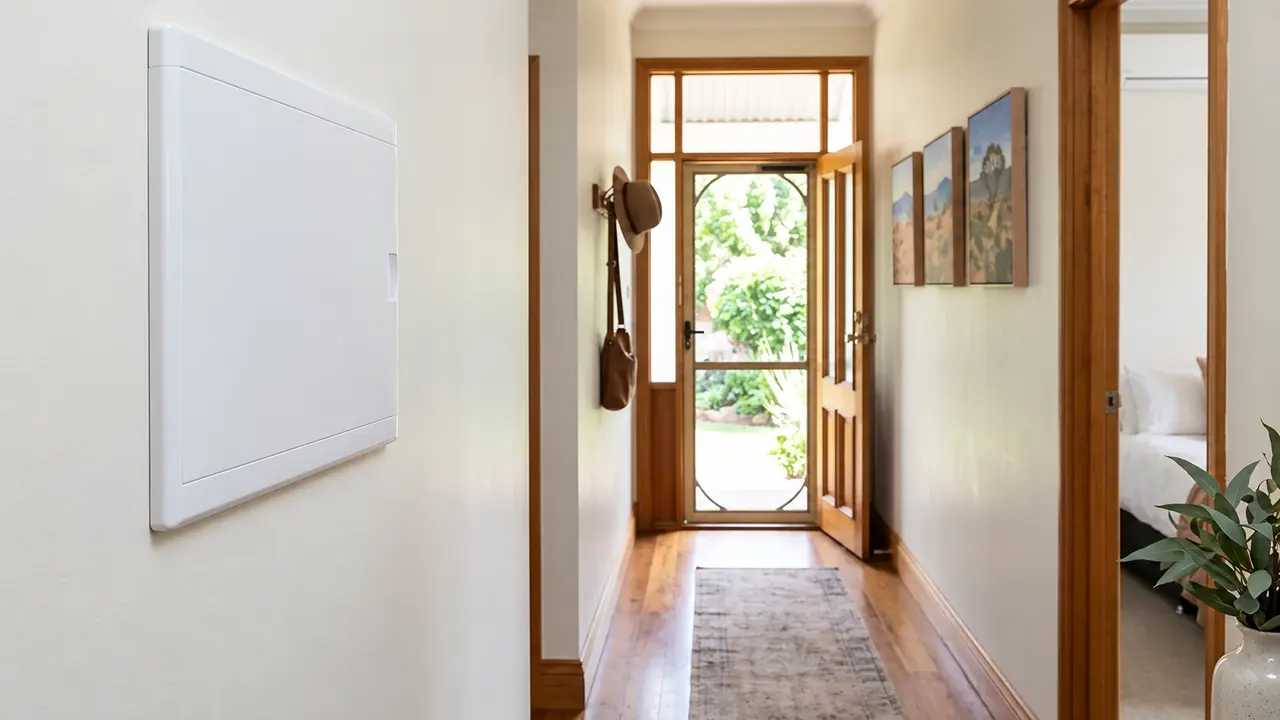
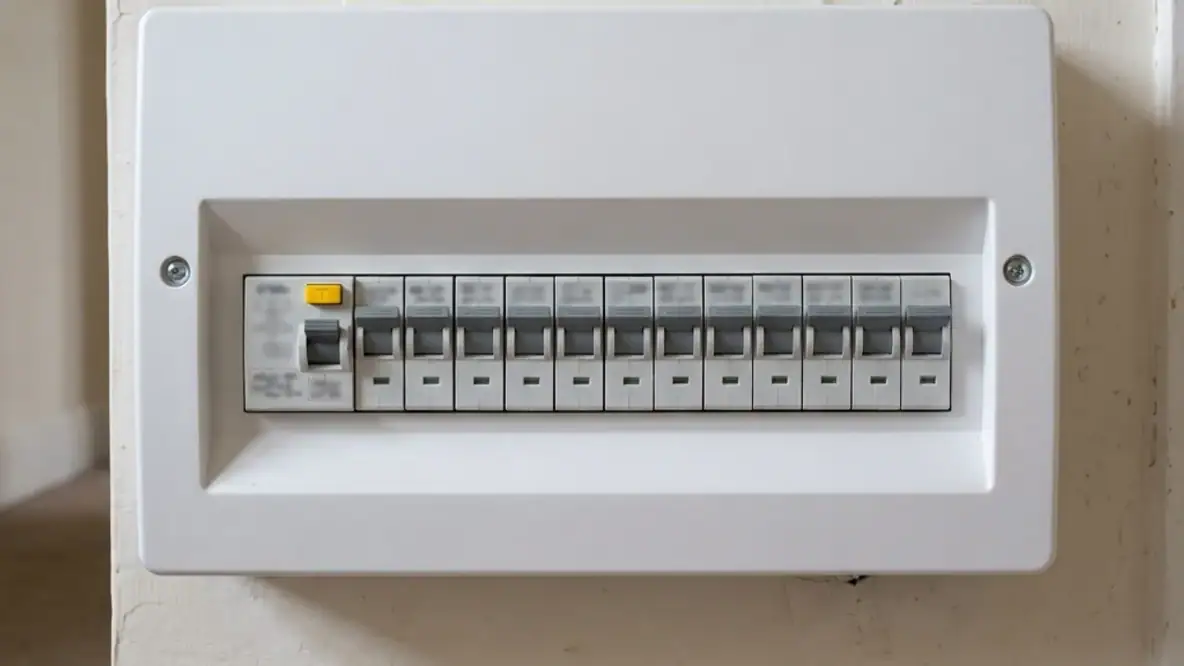
Repeated trips or uncertain circuit protection start with what loses power. Ask which circuits the switch protects and whether its Test button works.
A safety switch is the device that cuts power when current leaks
What electrical work do you need?
Call now07 4358 3066Ask which existing circuits are protected and which are not. The electrician can assess the board and explain the work needed to extend protection.
A switch that trips is not automatically defective. The cause may need fault investigation before replacement is considered. Do not keep resetting a switch that trips again.
One safety switch does not automatically protect the entire home. Ask for a circuit-by-circuit explanation rather than assuming a switch on the board covers every outlet and light.
The affected circuits, the protection to be added or replaced, any board changes, and how the completed installation will be checked. If the issue is recurring trips, the scope should distinguish investigation from installation.
Do not open the board or touch fixed wiring to gather information for an enquiry.
A safety-switch question starts with the protection actually installed. Tell the electrician what you can observe from the closed board and which lights or outlets lose power when the problem occurs. A switch label is useful context, but it is not proof that every part of the house has the same protection. Ask the contractor to identify the relevant circuits and explain any proposed change.
For repeated trips, distinguish the immediate symptom from a request for additional protection. Record when the loss of power was noticed and which equipment was already in use. Avoid treating an appliance used at the time as a confirmed cause. Do not keep resetting the switch to reproduce a problem or collect a demonstration. The fault-finding discussion may need to come before a decision about replacing equipment.
If the assessment leads to a proposal, ask whether it concerns a particular device, an additional circuit or wider board work. Request an explanation of the finding supporting that scope. A quote for one change should not be assumed to include every circuit in the property. Where more than one option is offered, compare the intended protection and the work included rather than relying on the label upgrade.
Keep the outcome with the property records. Ask what was checked, what was changed and which instructions the contractor wants occupants to follow. An owner, tenant and property manager may each need a clear account of the same event. Recurring loss of power needs further licensed advice; the presence of a safety switch does not make damaged equipment safe to approach or use.
Capalaba context
Queensland requires safety switches on the circuits that supply the power outlets in a rental home. A buyer whose new home has none on those circuits must have them installed within 90 days after the day they take lawful possession. The Electrical Safety Office also suggests considering protection on every circuit, so tell the electrician whether the job is a legal requirement or an upgrade you have chosen.