
Capalaba electrical job guide
Smoke alarms
Queensland smoke-alarm rules depend on the property and the alarm type. Compliant battery alarms can be an option; a hardwired installation is not automatically necessary for every home.
Prepare your job details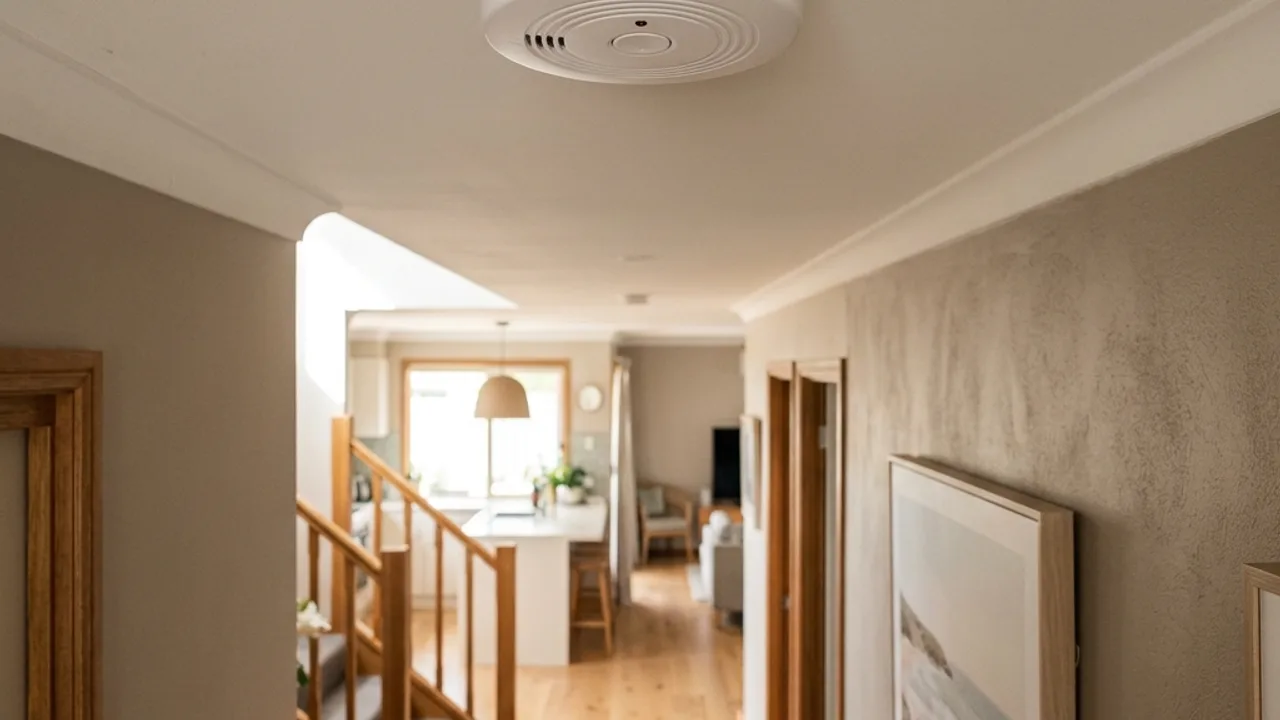
What to record
These details help frame the job without attempting electrical work yourself.
- 01List each alarm's location, age and type if known.
- 02Record whether the alarms are interconnected.
- 03Say whether the property is owner occupied, rented or being sold.
The decision behind the job
Queensland guidance covers photoelectric alarms, placement and interconnection. Existing hardwired alarms should be replaced with hardwired alarms by a licensed electrician. For another compliant arrangement, confirm the property-specific requirement before ordering electrical work.
Smoke alarms questions
Which type of smoke alarm meets Queensland's current requirements?
Compliant alarms are photoelectric, interconnected and meet AS 3786-2014. The required power supply and replacement choice depend on the dwelling and existing alarm arrangement.
When must an existing Queensland home have compliant smoke alarms?
Homes sold or leased have been subject to the upgraded rules since 2022. Remaining dwellings must have compliant interconnected photoelectric alarms by 1 January 2027, according to the Queensland Fire Department.
Can a compliant smoke alarm still use a battery?
In an existing dwelling, a compliant alarm may use a non-removable 10-year battery. New construction and major renovations need hardwired alarms, and an existing hardwired alarm generally needs a hardwired replacement.
Does every smoke-alarm installation need an electrician?
No. A compliant non-removable battery alarm may be installed without electrical work. A 240-volt hardwired alarm must be connected by a licensed electrician.
Related job guides
Property context: Capalaba, QLD 4157.